DPF Cleaning
CARS, LIGHT COMMERCIAL, TRUCKS & HEAVY EQUIPMENT – DPF Cleaning Australia

Exhaust Aftertreatment Systems (EATS) most commonly referred to as DPF are installed in most modern diesel-powered passenger vehicles manufactured from 2002.
All 2007 and newer on-road vehicles are equipped with EATS to reduce particulate matter (soot) in accordance with Euro specs. Trucks newer than 2008 can also be equipped with additional systems such as SCR (Selective Catalyst Reduction)
A clean exhaust after treatment system ensures optimum engine power, performance and fuel economy, reducing the risk of unplanned maintenance expenses and down time.
EATS are also a widely used, proven, emissions control product in the mining industry on varying sizes of equipment from drill rigs to loaders, dump trucks, excavators, heavy transport and stationary diesel-powered equipment.
In all these sectors, an automatic regeneration mode is initiated by sensors that monitor the level of diesel particulate matter.
Excessive oil or fuel contamination, incorrect or bypassing of scheduled burns, short distance city driving, excessive engine hours and various other factors lead to over sooting and heavy ash loading where the vehicle or equipment experience frequent and ineffective regenerations, loss of power, decreased fuel efficiency and eventually cease to operate altogether.
Our experienced team can safely recover most types of EATS across all industry sectors at a fraction of the cost of replacement. We understand the importance of good customer service.
We aim to work closely with our customers to ensure diagnostics are performed correctly to eliminate further down time. We have highly trained experienced people we can refer our valued customers to if they are having trouble with difficult diagnostics.
DOC and DPF combinations do not have to be cut open for cleaning which means no interfering with the integrity of the original units.
Our Recovery process allows us to inspect the unit internally then asses what is required. We can thoroughly clean and recover all types of exhaust after treatment products, eliminating the need for cutting and re-welding of units.
Our Cleaning Process
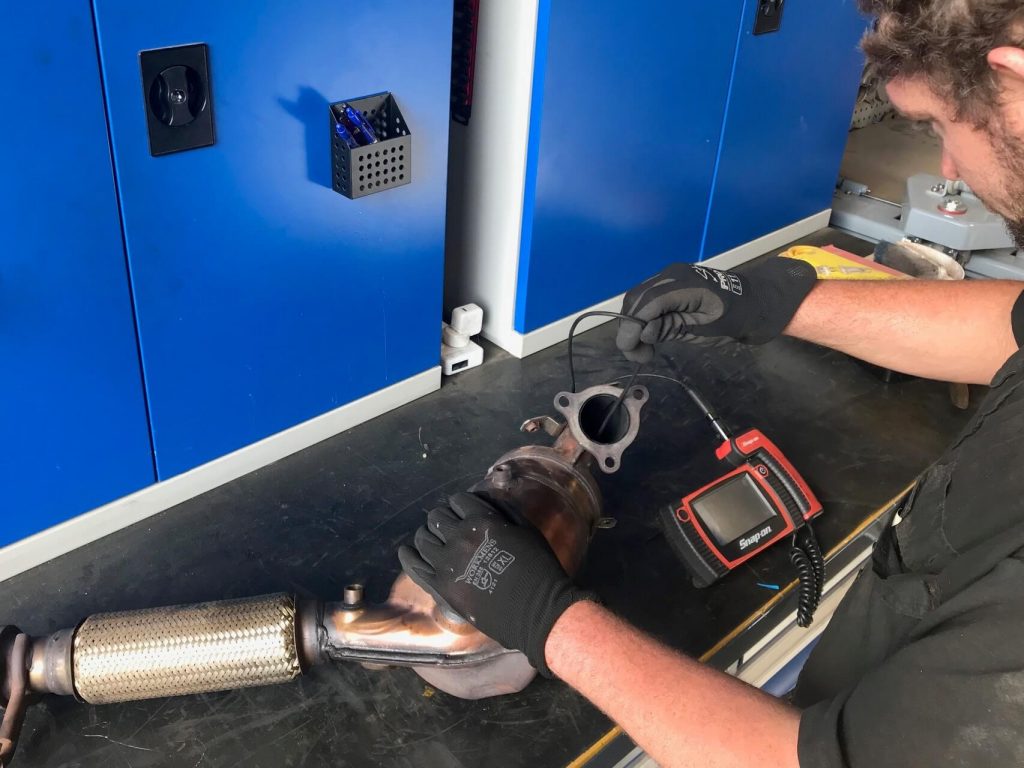
1. Initial Inspection
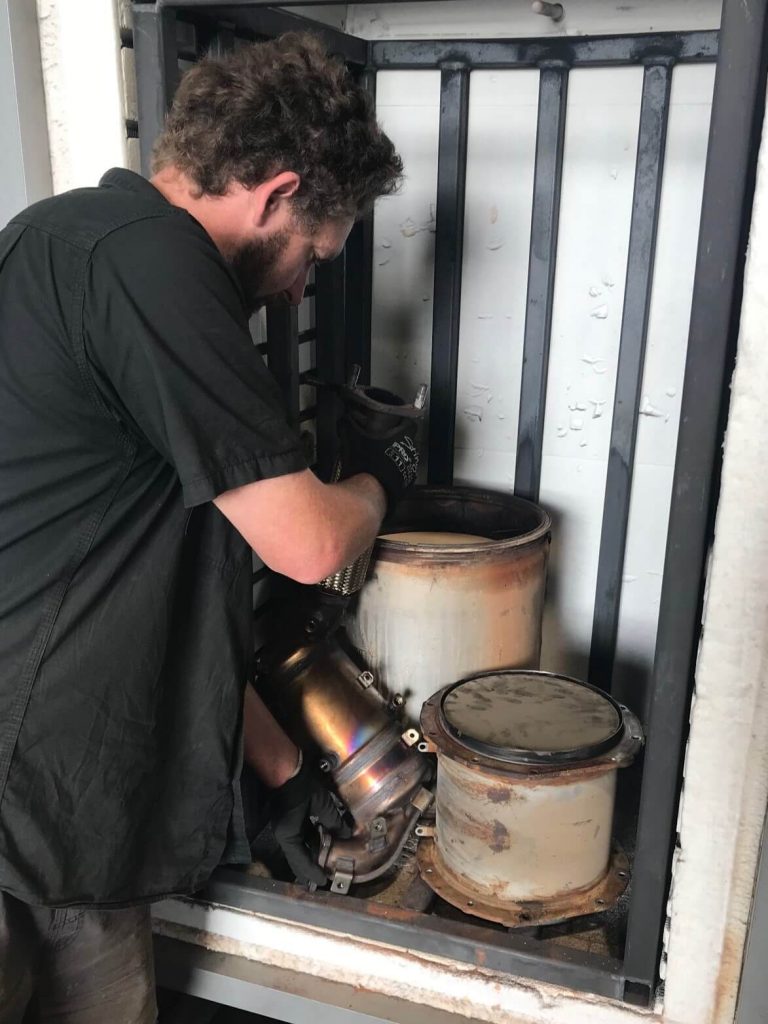
2. Simulated Regeneration
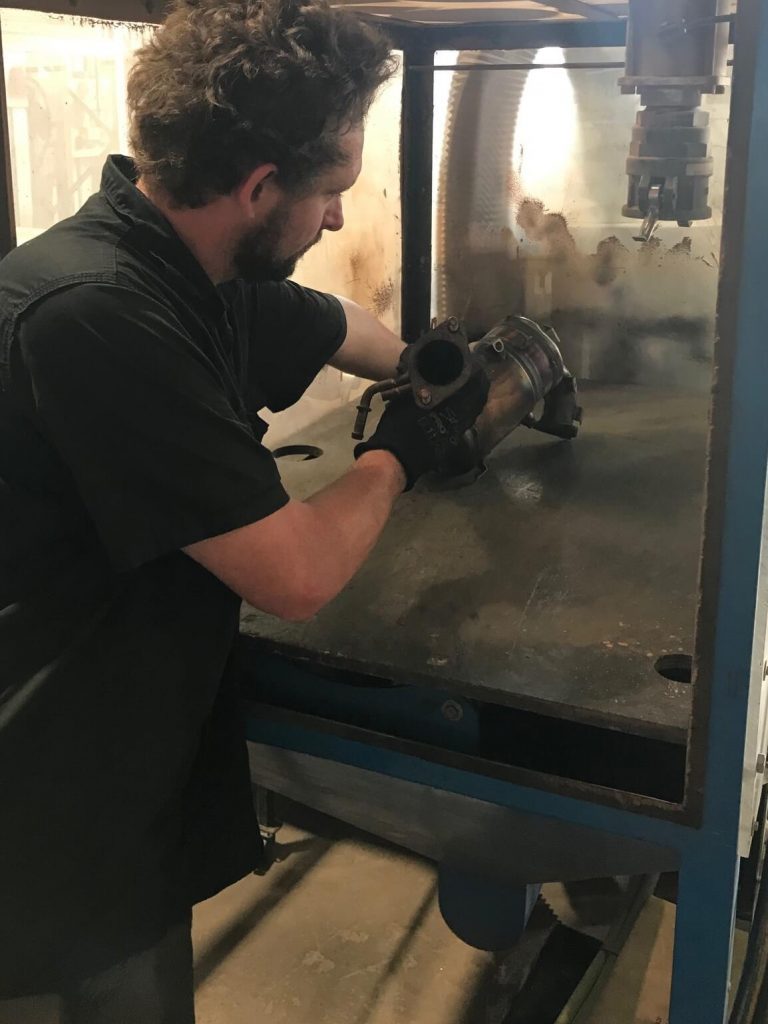
3. Pneumatic Reverse Pulse
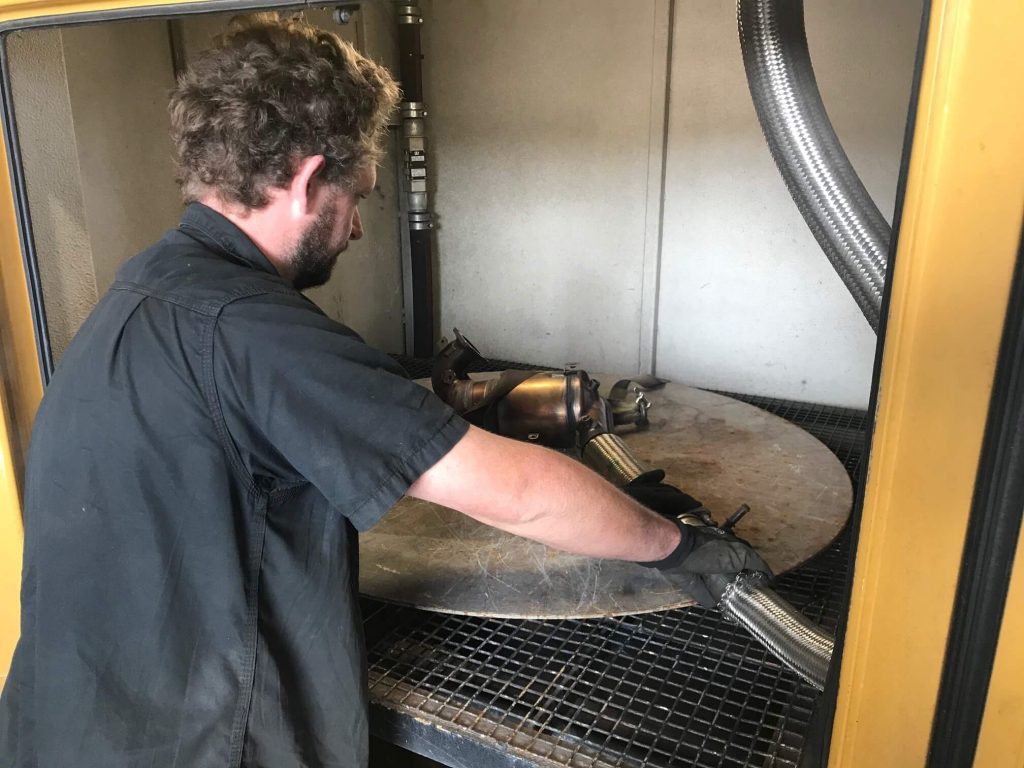
4. Reverse Pulse Hydro Flush
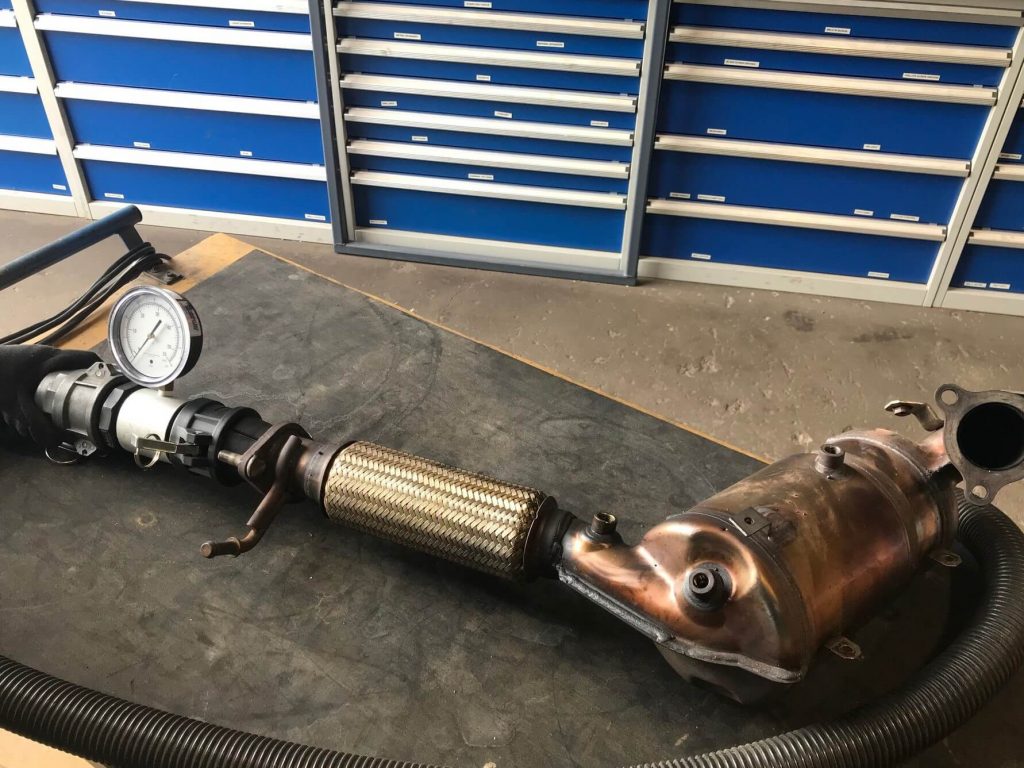
5. Final Back Pressure Test
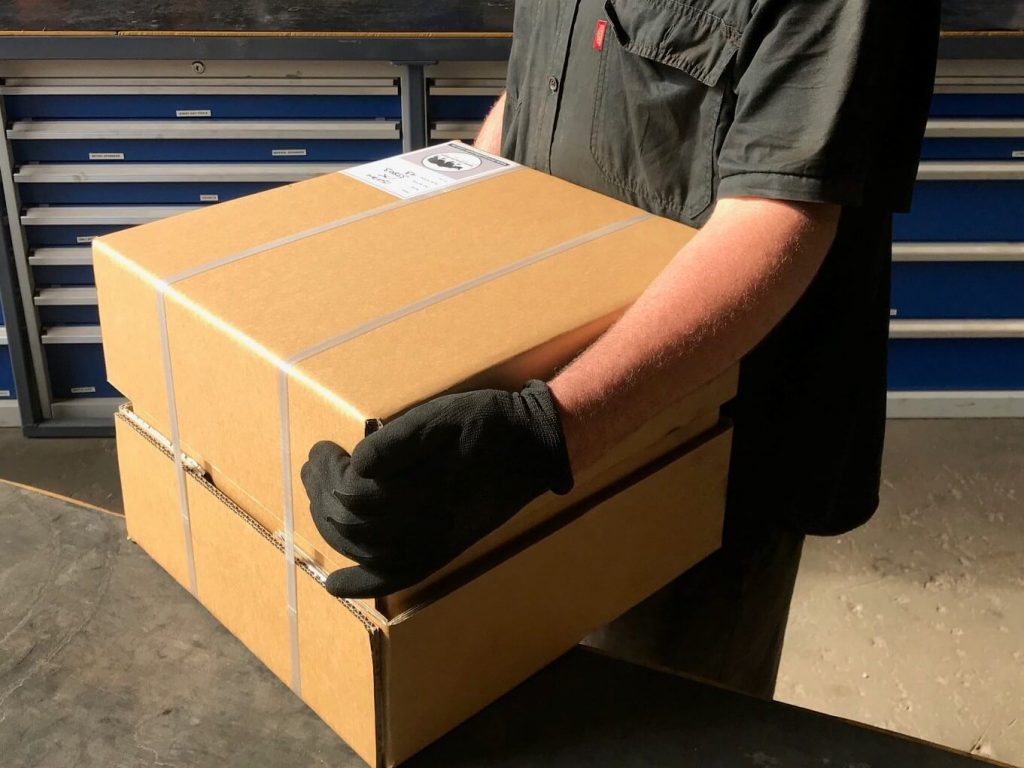
6. Packing and Dispatch
Our Cleaning Process
Before
During
After
Frequently asked questions
WHY HAS MY DPF BLOCKED / FAILED?
If you are cleaning or replacing your DPF it is easy to assume that it is at fault and have it replaced but in general, just replacing or cleaning the DPF will lead to the same issues again, if it is NOT DIAGNOSED CORRECTLY. It is extremely likely that a fault occurred elsewhere on the vehicle or possibly the driving style has caused the unit to either clog prematurely or fail.
A FULL FAULT DIAGNOSTIC must be carried out by a trained technician with adequate diagnostic equipment to establish exactly why the DPF has clogged or failed.
DPF PROBLEMS ARE A SYMPTOM OF UNDERLYING PROBLEMS UPSTREAM AND ALMOST ALWAYS NOT THE ACTUAL CAUSE.
WHAT ARE THE SIGNS OF A BLOCKED DPF?
Common Symptoms
- Dashboard Warning Lights: The DPF or check engine light illuminates when soot builds up.
- Loss of Power (Limp Mode): Restricted exhaust flow causes sluggish acceleration or forces the car into limp mode.
- Poor Fuel Economy: The engine burns more fuel to make up for restricted exhaust flow.
- Frequent Regeneration: The vehicle tries to clean itself more often, which leads to high idle speeds and over–fueling.
- Unusual Smells or Smoke: You might notice black or white smoke from the tailpipe or a hot, acrid smell.
- Starting Issues: Backpressure from the blocked filter can make the engine hard to start.
DO FORCED REGENERATIONS, ON-CAR CLEANING OR DPF CLEANING ADDITIVES WORK?
In short NO, the reality is, these expensive methods are all only a temporary fix. They may, at best get the warning light off the dash and at worst damage a perfectly serviceable DPF. Repeated force regens can overheat and melt the substrates and any cleaning chemicals that contact the precious metal coatings on either the catalysts or filters will cause catalytic poisoning rendering performance inadequate or useless.
It is also critical that the filter substrates are inspected and assessed for serviceability prior to performing any cleaning method or DPF replacement, or you are just flying in the dark and potentially throwing good money at bad.
WHAT IS THE IMPORTANCE OF THE (DOC) DIESEL OXIDATION CATALYST and (SCR) SELECTIVE CATALYTIC REDUCTION?
The primary and secondary DOC or the SCR is a critical part of the diesel exhaust aftertreatment system. Please be aware servicing these is the most important part of the recovery process or maintenance to the system. Not doing so, will almost always cause persisting problems.
The DOC and or SCR always go unchecked. DON’T make the common mistake of just looking and thinking all is okay when cleaning or replacing a DPF.